
Service hierarchy
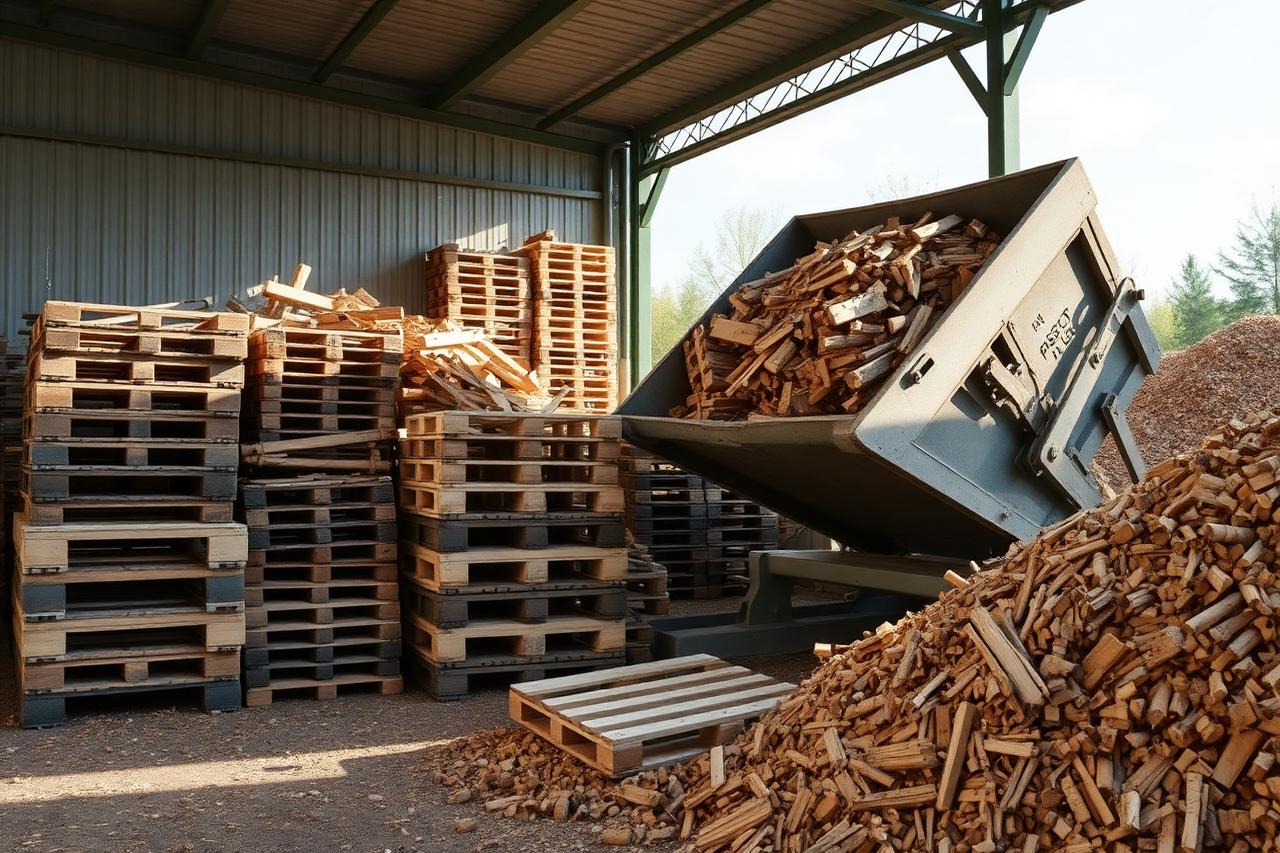
How surplus stock is handled
A clear order of preference, applied to the stock in front of us rather than to a marketing claim.
- 01
Reuse
If a pallet is commercially suitable as it stands, it goes back into supply. This is the best outcome for cost and for material use, and it is where most recovered stock ends up.
- 02
Repair
Where a repair returns a pallet safely to service, it is repaired. We do not claim every pallet is repaired — much used stock needs none — but repair is used where it is the right answer.
- 03
Material recovery and recycling
Pallets beyond economic repair are broken down so the timber can be recovered and recycled into other products rather than treated as general waste.
- 04
Disposal
Disposal is the last route, used only where necessary and lawful, and handled under our waste carrier, broker and dealer registration.
Compliance
Compliance and documentation
Pallet movements handled as waste fall under our upper-tier carrier, broker and dealer registration CBDU152029 (upper-tier carrier, broker and dealer). Waste transfer documentation is issued where applicable — tell us at booking if your site or auditor needs it in a specific format.
- Upper-tier waste carrier, broker and dealer registered
- Waste transfer documentation where applicable
- Mixed and damaged stock assessed rather than assumed
- Pooled and painted pallets identified and handled appropriately
On environmental claims
We do not publish a landfill percentage, a carbon saving or a zero-waste claim, because we do not currently hold measured evidence to support one. What we can say plainly is that reuse is prioritised commercially as well as environmentally: a pallet that goes back into service is worth more to everyone than one that is broken up.